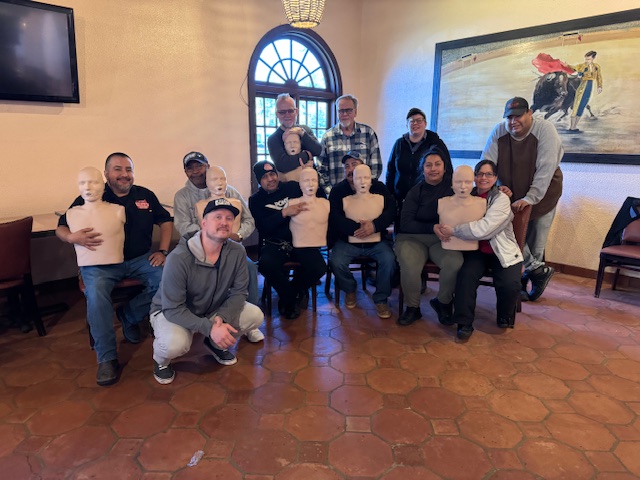
Join Austin CPR classes for trusted certification and first aid training. Led by experts, ensure preparedness and boost skills at CPR Training Austin
CPR and First Aid Certification Classes in Austin
Join CPR Training Austin for comprehensive CPR and first aid certification classes, taught by certified professionals in Austin to enhance life-saving skills and preparedness
Benefits of CPR Training in Austin
Why Is CPR Training Essential for Everyone?
CPR training is crucial for everyone. In emergencies, knowing CPR can save lives. This lifesaving skill is essential in Austin, where healthcare and safety are top priorities. With these skills, people can confidently help during emergencies until professional help arrives. CPR training gives everyone life-saving skills that help the entire community.
How Does CPR Training Improve Emergency Response Skills?
CPR training enhances emergency response skills. It provides knowledge that increases confidence in emergencies. In Austin, both healthcare professionals and others benefit from expert CPR and first aid training. Hands-on practice helps participants become proficient in lifesaving techniques, improving their ability to respond quickly and effectively. To gain this expertise, individuals should attend CPR training sessions offered by local providers like CPR Training Austin, which offer courses tailored to the community's needs.
What Community Impacts Result from CPR Training?
CPR training has significant impacts on the Austin community. It equips residents with lifesaving skills, enhancing public health and safety. Community CPR classes create a collaborative environment where people learn to work together in emergencies, strengthening community bonds and preparedness. With more widespread CPR training, response times improve, leading to better outcomes in critical situations. As more residents become CPR-certified, the community becomes healthier and safer, aligning with Austin's commitment to public health and proactive care.
Choosing the Right CPR Classes in Austin
When searching for CPR classes in Austin, it's important to choose courses that fit your professional or personal goals. Obtaining certification not only improves your CPR skills but also increases your credibility in healthcare and emergencies. There are various certification classes and first aid training options available locally, making it easy for residents and healthcare providers to access.
What Factors Should Be Considered When Selecting a CPR Class?
When selecting a CPR class, keep these points in mind:
- Trainer's Expertise: Make sure instructors have valid certifications from recognized organizations like the American Heart Association.
- Pricing: Compare costs among different certification class providers to find one that suits your budget.
- Schedule and Location: Pick a class with a timetable and place that work for you.
- Duration: Think about how much time you can dedicate to the CPR class.
- Course Content: Check what will be taught to ensure it fits your learning objectives.
- Reviews: Look at participant testimonials to see their satisfaction levels.
- Healthcare Provider Knowledge: Opt for classes that provide insights relevant to healthcare environments.
How to Determine the Best CPR Certification for Your Needs
To find the best CPR certification for your needs, consider:
- Personal and Professional Goals: Align the certification with your career or personal aspirations.
- Health Industry Standards: Make sure the course meets current industry requirements.
- ACLS and Pediatric CPR Needs: For specialized fields like pediatrics, an ACLS certification might be needed.
- Workplace Requirements: Some employers have specific CPR certification prerequisites.
- Customized Training Options: See if programs offer sessions for groups or unique needs.
- Qualified Instructors: Confirm that instructors are experienced and qualified.
What Are the Different Types of CPR Classes Available?
There are several types of CPR classes designed for different needs:
- Basic Life Support (BLS): Recommended for healthcare providers.
- Advanced Cardiac Life Support (ACLS): Suitable for those in critical care roles.
- Infant CPR Training: Essential for caregivers and parents.
- Hands-Only CPR: Ideal for quick, non-certified learning.
- Community CPR Classes: General courses open to the public.
- Corporate CPR Training: Designed for businesses focusing on employee safety.
- Blended Learning and Online CPR Training: Offers flexibility for busy schedules.
- Specialized Programs for Children and Adults: Created for specific age groups.
By reviewing these options and understanding their uses, you can choose the right CPR class in Austin. For more information, visit CPR Training Austin for expert guidance and course enrollment options.
CPR Certification Process Explained
Getting CPR certification is important for improving your emergency response skills. Whether you're a healthcare provider or want to be prepared for an emergency, knowing how the CPR certification process works is key. At CPR Training Austin, we offer training that meets the standards of the American Heart Association.
What Steps Are Involved in Obtaining CPR Certification?
Here's how you can obtain your CPR certification:
- Registration: Sign up for a CPR class that fits your schedule and location, like those available in Austin.
- Hands-On Practice: Engage in practical training courses where experienced instructors guide you through hands-on practice.
- Skills Assessment: Demonstrate your rescue skills during a skills assessment as part of the CPR class.
- Completion and Certification: After finishing the training and assessments, you’ll receive certification recognized by organizations such as the American Red Cross.
These steps ensure you are ready to handle emergencies effectively.
How Long Does CPR Certification Last and How to Maintain It?
CPR certification is generally valid for two years. To keep it current:
- Monitor Expiration Dates: Be aware of when your certification expires to renew it on time.
- Recertification Courses: Take recertification classes before your current certification runs out to update your skills and knowledge.
- Continuing Education: Stay informed with the latest CPR techniques by engaging in ongoing education from professional CPR providers.
Renewing your certification keeps your CPR skills fresh and in compliance with standards.
Are There Any Prerequisites for Enrolling in CPR Courses?
Consider these prerequisites before enrolling:
- Basic Life Support Knowledge: Some courses might require you to know basic life support, especially if you're a healthcare professional.
- Enrollment Requirements: Check the course requirements to ensure you meet the criteria for registration.
- Prior Experience: While not always needed, experience in adult CPR can benefit healthcare providers wanting to expand their skills.
Understanding these prerequisites ensures a straightforward enrollment process and improves learning.
For more details about our courses and how to register, visit CPR Training Austin. Our expert trainers are ready to help you build confidence and skills in effective CPR.
Advanced CPR Training Options
What Specialized CPR Training Programs Are Offered in Austin?
Austin offers a range of specialized CPR training programs tailored to various needs in healthcare and emergency response. Certified CPR instructors provide these programs, including Advanced Cardiovascular Life Support (ACLS) and Pediatric Advanced Life Support certifications. The American Heart Association delivers courses that ensure solid emergency response training, equipping learners with vital life-saving skills. Whether you are a healthcare professional or a community member interested in emergency readiness, these programs provide key skills through expert training in Austin.
How Advanced Cardiac Life Support Training Differs from Basic CPR
Advanced Cardiac Life Support (ACLS) training offers more in-depth instruction compared to Basic Life Support (BLS). While BLS covers fundamental techniques, ACLS certification in Austin explores more complex medical situations. Participants learn advanced CPR skills, managing cardiopulmonary emergencies, team communication, and medication use. This medical CPR training is essential for professionals aiming to improve their life-saving skills, preparing them for critical situations. Certified instructors conduct these comprehensive sessions to maintain high standards in emergency care.
Who Should Consider Pediatric CPR and First Aid Training?
Pediatric CPR and First Aid training in Austin is crucial for those involved in child care and safety, including parents, caregivers, and educators. This training addresses infant and child resuscitation techniques, child-focused first aid, and Pediatric Advanced Life Support basics. Available through healthcare CPR training facilities and community classes, such as those offered by the Red Cross in Austin, these courses equip participants with the ability to respond effectively to pediatric emergencies. Group classes and personalized sessions offer accessible learning opportunities for anyone looking to master these important skills.
Enhancing CPR Skills with Practical Sessions
What Hands-On Practice Techniques Are Used in CPR Classes?
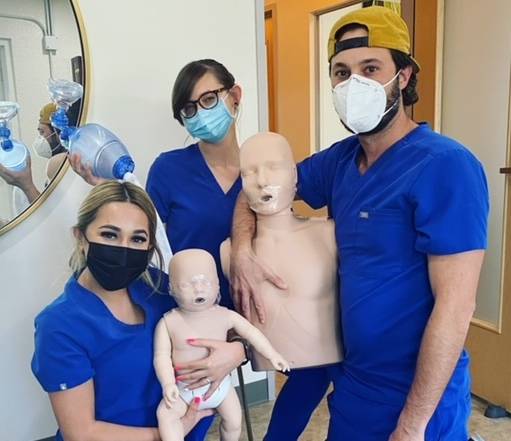
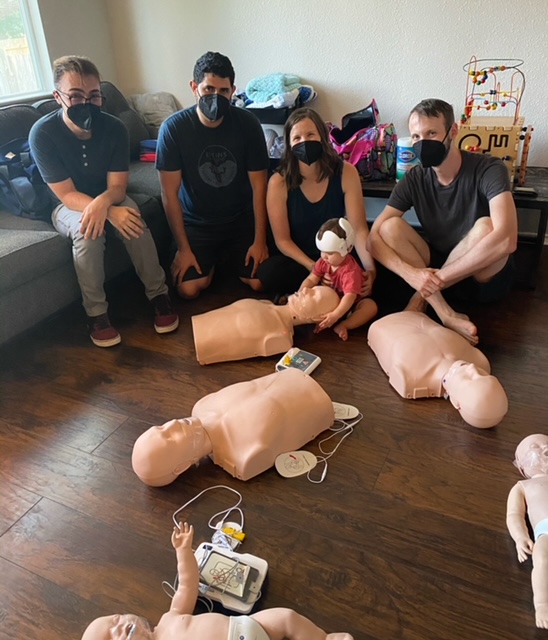
Hands-on practice is a key part of effective CPR classes, especially in Austin. These classes use various training techniques to give participants the skills they need for real-world emergencies. By practicing on high-quality manikins, students can mimic real-life situations, which helps reinforce learning. Techniques like timed drills and scenario-based exercises are common to improve proficiency. Instructors provide immediate feedback, allowing students to refine their skills. This way, when faced with an actual emergency, individuals are better prepared to respond confidently.
How Do Group Training Sessions Enhance CPR Competency?
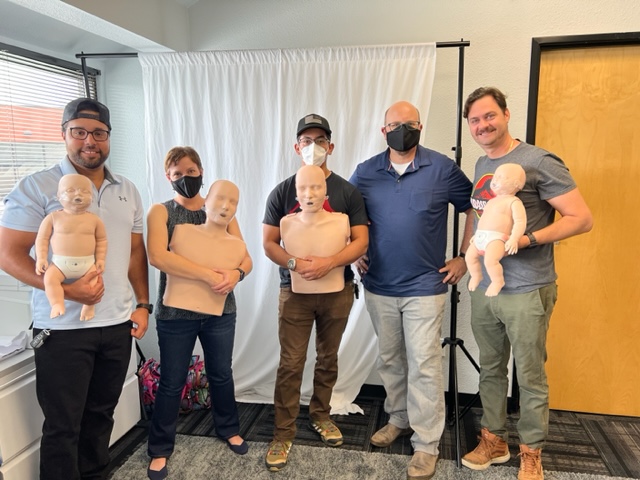
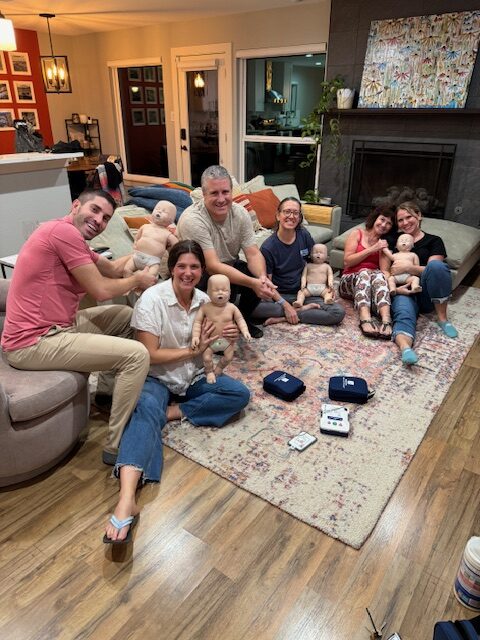
Group training sessions play a big role in improving CPR competency. When people take group CPR classes in Austin, they benefit from shared learning experiences. These sessions promote teamwork and communication, vital skills in professional rescuer CPR settings. Team-based activities let participants learn from each other's experiences and mistakes, boosting their understanding. Group sessions also offer mutual support, increasing motivation to master CPR techniques. This cooperative approach is valuable for those seeking CPR training in Austin.
Why Is Continuous Practice Important for Retaining CPR Skills?
Continuous practice is important for retaining CPR skills over time. Regular involvement in CPR training in Austin helps individuals keep their proficiency and stay updated on the latest techniques. Skill retention is higher with consistent practice, reinforcing memory and muscle coordination. Hands-only CPR, emphasized in Austin, shows the importance of ongoing practice for quick, effective responses in emergencies. For those serious about keeping their skills sharp, regular training is key. Ongoing practice boosts confidence and readiness to save lives.
Sure! Here is the revised FAQ in HTML format:
What types of CPR certification do you offer in Austin, TX?
We offer a range of CPR certification courses, including Basic Life Support (BLS), Advanced Cardiac Life Support (ACLS), and Pediatric CPR training. These classes are designed for healthcare professionals, first responders like firefighters and EMS, and the general public.
Can I renew my CPR certification online?
Yes, we provide online CPR recertification options for your convenience. These courses keep you updated with the latest techniques and guidelines from organizations such as the American Heart Association and the Red Cross.
Do you provide CPR training for specific groups or businesses in Austin?
Absolutely! We offer corporate CPR training, community workshops, and group sessions tailored for schools, workplaces, and specialized healthcare providers. Our customized training solutions meet different organizational needs.
What additional first aid courses do you provide alongside CPR training?
In addition to CPR, we provide first aid training, AED certification, and emergency response courses. These programs equip participants with life-saving skills for effectively responding to emergencies like heart attacks and choking incidents.
How often should CPR certification be renewed?
CPR certification typically lasts two years, but it's crucial to stay updated with the latest standards. Renewing sooner may be necessary if you regularly use these skills. Our courses keep your knowledge and skills sharp and compliant.
Do you offer CPR instructor courses in Austin?
Yes, we train individuals to become certified CPR instructors. Our program provides the teaching skills and resources needed to instruct others in life-saving techniques, ensuring quality education throughout the community.
Are there free CPR classes available in Austin?
We occasionally offer free CPR classes in collaboration with local community organizations and events. Please check our website or contact us for the latest schedule and available slots.
What languages are your CPR courses offered in?
Our courses are available in multiple languages, including English and Spanish, to accommodate diverse learners. We aim to make CPR training accessible to everyone in the Austin area and beyond.
Key Insights
- We offer comprehensive CPR training in Austin, including certification first aid classes for healthcare professionals and firefighters.
- Our courses cover a wide range of CPR techniques, from infant CPR training to advanced cardiac life support, designed for community needs and healthcare providers.
- Participants can book online CPR training and blended CPR courses, allowing flexibility for busy schedules.
- Certified CPR instructors provide group, corporate, and workplace CPR training to meet various organizational requirements.
- Join our hands-only CPR classes or AED training sessions tailored for both laypersons and medical professionals.
- We hold CPR and first aid classes at locations like the YMCA, offering life-saving skills across greater Austin and beyond.
- Our specialized programs include pediatric CPR, neonatal resuscitation, and CPR recertification courses.
- Contact us to register for CPR workshops, receive personalized training, or inquire about our upcoming events on Eventbrite.